Safest Jobs From Artificial Intelligence
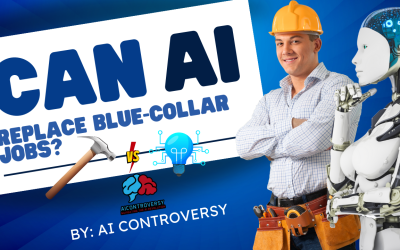
Are you worried about the impact of artificial intelligence (AI) on the job market? The good news is that not all jobs will be replaced by robots and automated systems. In fact, there are some jobs that are considered safer from AI than others.
As technology continues to advance, it’s important to understand which industries and professions may be at risk and which ones may have a more secure future. While AI has certainly made significant strides in recent years, it still has limitations when it comes to certain tasks.
This means that there are certain jobs that require human skills and abilities that cannot be replicated by machines. So if you’re looking for a career path that offers some level of protection from automation, read on to discover the safest jobs from artificial intelligence and why they might remain immune to technological disruption.
Key Takeaways
- Jobs that require human skills and abilities are less likely to be replaced by AI.
- Certain industries, such as legal and healthcare, are seeing advancements in AI technology that create new job opportunities while posing ethical considerations and data privacy concerns.
- The human element is critical in education, employee retention, social work, and childcare, as it possesses creativity, intuition, emotional intelligence, client advocacy, cultural competency, and crisis intervention skills that cannot be replicated by machines.
- Robots are capable of performing a wide range of tasks, but some jobs will require human collaboration with robots. Jobs that involve emotional intelligence and social skills are less likely to be fully replaced by robots.
AI and LLMs
AI’s impact on the legal industry is leading to the creation of new, safer job opportunities for those with LLMs. With AI becoming more integrated into legal processes, there is a growing demand for specialized professionals who can operate and oversee these technologies. This has led to an increase in training requirements and job market demand for individuals with advanced degrees such as a Masters of Law (LLM).
However, ethical considerations and data privacy concerns remain at the forefront of discussions surrounding AI implementation in the legal field. While AI can certainly improve efficiency and accuracy, it must be used responsibly to ensure that all parties involved receive fair treatment under the law.
Despite these challenges, many individuals with LLMs are finding increased job satisfaction in roles that involve working alongside AI technologies to provide better outcomes for clients. As we explore how AI is transforming industries across the board, it’s important to recognize that its impact isn’t always negative – rather, it can create new opportunities for skilled professionals who are willing to adapt and learn new skills.
As we move forward into a world where AI capabilities continue to expand, it’s crucial that we stay informed about how these developments will affect our careers and daily lives. One thing is certain: those who are able to master this technology will have an edge in an increasingly competitive job market.
Increased Capabilities
You can’t deny that technology has come a long way, but have you ever stopped to think about how much it’s capable of now?
Advancements in artificial intelligence (AI) have led to an increase in its capabilities. AI can now perform complex tasks such as natural language processing, image recognition, and decision making. This progress has significant impacts on various industries and sectors.
Opportunities arise with the increased use of AI in businesses and organizations. It enhances productivity, accuracy, and speed while reducing costs. However, this also poses challenges for individuals whose jobs may be at risk due to automation.
Ethical considerations also need to be addressed when implementing AI systems in sensitive areas such as healthcare and finance. Despite these concerns, the identification of safe jobs from artificial intelligence is still possible.
Safe Jobs Identified
You might be wondering which jobs are the safest from artificial intelligence. The good news is that there are several occupations that are unlikely to be automated any time soon.
These include athletes and sports competitors, social media influencers, skilled tradespeople, healthcare professionals, and teachers and educators. While technology may continue to evolve, these professions require unique skills and human interaction that make them less susceptible to automation.
Athletes and Sports Competitors
When it comes to pursuing a career in sports, there are certain positions where AI is less likely to impact your job security. Athletes and sports competitors fall into this category for several reasons. First and foremost, AI has yet to replicate the physical abilities of humans. While machines can process data faster and more accurately than us, they are not capable of performing on the field or court with the same level of agility, strength, and speed as athletes.
Furthermore, becoming an athlete requires years of training and dedication, making it unlikely that machines will take over these roles anytime soon. Future prospects for athletes remain positive as long as they continue to hone their skills and stay competitive. However, potential job growth may be limited due to a finite number of professional teams and leagues. Nevertheless, careers in sports still offer high levels of excitement and prestige, making them attractive options for those who love competition and physical activity. Moving forward, let’s explore another career path that is relatively safe from AI: social media influencers.
Social Media Influencers
If you’re a social media user, chances are you follow at least one influencer – and did you know that 80% of marketers find influencer marketing effective?
Influencer marketing has become a lucrative industry with monetization strategies that range from sponsored posts to brand collaborations. However, the rise of artificial intelligence may pose a threat to this line of work.
Social media algorithms are becoming increasingly sophisticated in identifying which content is relevant and engaging for users. This means that influencers must constantly adapt their strategies to maintain audience engagement. While AI may be able to assist with analyzing data and predicting trends, it could also potentially replace the need for human influencers altogether.
As such, it’s important for influencers to stay informed about the latest tools and technologies while also building a strong personal brand that sets them apart from any algorithm-generated content.
As we move into an era where artificial intelligence plays an increasingly significant role in our lives, it’s understandable why many jobs may seem uncertain. However, skilled tradespeople remain essential as they possess expertise and experience that cannot be easily replicated by machines.
Skilled Tradespeople
Skilled tradespeople are highly valued for their hands-on expertise and ability to tackle complex problems in fields like construction, plumbing, and electrical work. They possess specialized skills that can’t be easily replicated by machines or automated processes.
However, with the increasing implementation of AI in various industries, many skilled tradespeople are concerned about job security. To address this concern, training programs have been developed to help workers adapt to new technologies and stay relevant in their respective fields.
It’s important for skilled tradespeople to embrace automation rather than resist it as it can improve efficiency and productivity while creating new opportunities for innovation. Additionally, promoting workforce diversity can also lead to a more resilient industry as different perspectives can contribute to better problem-solving.
Moving on to healthcare professionals…
Healthcare Professionals
Moving on from skilled tradespeople, let’s talk about healthcare professionals. These individuals play a critical role in our society by providing medical care and ensuring the well-being of patients. While AI is still in its early stages of development for healthcare, it has already shown promising results in assisting doctors and nurses with diagnoses, monitoring patients’ conditions, and even performing surgeries. However, there are both advantages and challenges that come with integrating AI into healthcare.
Advantages of using AI in healthcare include increased efficiency, accuracy, and speed when diagnosing illnesses or injuries. With the help of advanced technologies such as machine learning algorithms and natural language processing, AI can process vast amounts of data quickly to provide accurate diagnoses. Additionally, AI can assist with tasks such as patient monitoring, allowing doctors and nurses to focus on other important aspects of their job. However, there are also challenges to consider such as training requirements for healthcare professionals to use these technologies effectively while maintaining patient privacy and security. Despite these challenges though, the future outlook for incorporating AI into healthcare remains positive.
As we move forward into discussing teachers and educators as one of the safest jobs from artificial intelligence, it’s important to note that education is an industry where technology has been steadily advancing over the years but may not replace human interaction entirely anytime soon.
Teachers and Educators
Wow, teachers and educators are absolutely irreplaceable by any form of technology, no matter how advanced it may become!
Teaching methods have evolved over time, from traditional chalkboard lectures to interactive multimedia presentations. However, the human element in education is still critical in delivering knowledge effectively.
Teachers can adapt their teaching methods according to each student’s unique learning style and provide personalized assistance that AI algorithms cannot yet replicate. AI assistance can certainly support teachers in tasks such as grading assignments and developing lesson plans. But curriculum development requires creativity and intuition, qualities that only humans possess.
Moreover, student engagement is crucial for effective learning outcomes. Teachers can build rapport with students through social interactions and emotional connections which ultimately enhance the overall classroom experience. Technological integration must be used wisely in education since it’s not a replacement but an addition to the incredible work done by our educators.
As we move on to discuss emergency services personnel, it’s important to note that while they too are essential workers whose jobs require a high level of skill and expertise, the role of AI in their field is different from education.
Emergency Services Personnel
Moving on from the previous subtopic of teachers and educators, let’s take a closer look at emergency services personnel. This group includes firefighters, police officers, paramedics, and other first responders who play a vital role in keeping society safe.
While these jobs may seem immune to automation at first glance, there are still factors that need to be considered. When it comes to training requirements for emergency services personnel, the stakes are high. These individuals must undergo rigorous physical and mental training to prepare for the unpredictable nature of their work. However, advancements in technology can aid in this process by providing simulations for real-life scenarios.
Despite this advantage, potential risks cannot be ignored as new technology is introduced into the field. Nonetheless, job satisfaction remains high among those who feel called to serve their communities in this way. In terms of future outlook, it is likely that technological advancements will continue to improve safety measures but will never fully replace human intuition and decision-making abilities.
As we move forward into discussing mental health professionals as another example of safe jobs from artificial intelligence, one thing is clear: the intersection between humans and technology will continue to evolve at an unprecedented pace.
Mental Health Professionals
Mental health professionals are a critical part of our society, and their role in supporting individuals facing mental health challenges cannot be overstated. As technology continues to evolve and integrate into various industries, mental health professionals have also started incorporating it into their practice.
Teletherapy is becoming increasingly popular as it offers convenience for patients who may not have access to traditional therapy sessions due to geographical or time constraints. However, the integration of technology also poses ethical considerations, particularly regarding patient privacy and confidentiality.
Mental health stigma still exists, which means that patients may be hesitant to seek help if they fear that their personal information could be compromised. Additionally, teletherapy benefits must be balanced with the potential drawbacks of decreased social interaction between the therapist and patient.
Burnout prevention strategies must also be implemented as providing emotional support can take a toll on mental health professionals’ well-being. As we move towards an age where artificial intelligence plays an increasing role in our lives, human resources professionals must consider how these changes will impact job security across industries.
Human Resources Professionals
As technology advances and transforms the workplace, it’s crucial for human resources professionals to stay informed and adaptable in order to support employees through change. The rise of AI screening tools and HR automation has brought about some recruiting challenges, but it also presents opportunities for increased efficiency and streamlined processes.
To ensure that hiring practices remain fair and unbiased, HR professionals must continue to prioritize workforce diversity. Through the use of AI screening tools, recruiters can identify top candidates based on objective criteria rather than relying solely on subjective factors such as personal connections or educational background. However, while these tools may help alleviate some of the workload associated with recruitment, it’s important to remember that they are only one part of the process.
Effective employee retention strategies will still require a human touch in order to create a supportive work environment where employees feel valued and engaged.
Moving forward into the next section about ‘social workers’, we’ll explore how their roles may be impacted by technological advancements in healthcare.
Social Workers
Social workers are essential members of healthcare teams, providing support and resources to patients. With the projected growth in employment of social workers at 13%, it is clear that their role in the community is vital. Social workers possess emotional intelligence, client advocacy, cultural competency, and crisis intervention skills that are not easily replicated by machines. These skills allow them to connect with clients on a personal level, understand their unique situations, and provide tailored solutions.
A social worker’s job involves advocating for their clients’ rights and needs while navigating complex systems such as government agencies or healthcare facilities. They work tirelessly to help individuals overcome obstacles and improve their quality of life. The ability to empathize with people from diverse backgrounds is crucial in this field as it allows social workers to better understand the cultural nuances that affect their clients’ lives. As technology continues to advance rapidly, social workers must remain vigilant about how AI can complement or replace certain aspects of their work without compromising on client care.
As we move onto discussing childcare workers next, it’s important to note that just like social workers, they too hold a significant role in shaping our society’s future generation.
Childcare Workers
Being a childcare worker is a fulfilling role that involves nurturing and shaping the minds of our future generation. While it may seem like a job that cannot be replaced by technology, there are already several childcare innovations and trends emerging in the industry.
For instance, AI in childcare has been gaining traction recently with the development of chatbots that can provide instant advice to parents on their child’s health or behavior. Furthermore, childcare technology advancements such as smart toys that can monitor children’s developmental progress and virtual reality programs for educational purposes are also becoming more prevalent.
However, while these technological advancements have their advantages, they should not completely replace human interaction and care in raising children. As a childcare worker, your role is irreplaceable in providing emotional support and guidance to young children during their crucial years of development.
Moving forward into the subsequent section about ‘job tasks for robots,’ it is important to note that while some aspects of childcare can be automated through technology, there will always be a need for human touch and care in this field.
Job Tasks for Robots
Robots are capable of performing a wide range of tasks, from repetitive assembly line work to complex surgery. With the rise of robotic automation, there’s growing concern about job displacement and ethical concerns surrounding the use of robots in the workplace.
While some jobs may become obsolete due to technological advancements, others will require human collaboration with robots. The future job market will be shaped by the integration of artificial intelligence into various industries. However, it’s important to carefully consider which tasks can be safely automated without negatively impacting humans’ livelihoods.
Jobs that involve emotional intelligence and social skills, such as childcare workers or therapists, are less likely to be fully replaced by robots. Nonetheless, it’s crucial for individuals to adapt their skill sets to remain competitive in an increasingly automated world.
As we move onto discussing ‘at risk jobs’, it’s important to acknowledge that while certain positions may face more significant threats from automation than others, no industry is completely safe from the effects of technological change.
At Risk Jobs
You may not realize it, but your job could be at risk of being automated in the near future. The rise of automation has caused many industries to evaluate their reliance on human labor versus technology. While certain jobs are more susceptible to being replaced by machines than others, no job is completely safe from displacement due to technological advancements.
To better understand which jobs are most at risk, take a look at the following table that outlines potential job displacement and future job outlook based on automation impact:
| Job Title | Potential for Automation | Future Job Outlook |
|---|---|---|
| Telemarketer | Extremely High | Poor |
| Data Entry Clerk | High | Fair |
| Bank Teller | High | Poor |
| Retail Salesperson | Moderate-High | Fair |
| Truck Driver | Moderate-High | Good |
As you can see, even jobs with good future job outlooks like truck drivers could potentially face displacement as autonomous vehicles continue to be developed. It’s important for individuals in these industries to consider retraining opportunities and prepare for potential changes in the workforce. Additionally, ethical considerations must be taken into account when deciding which jobs should be automated and how it will impact society as a whole.
With the current state of technology, it’s becoming increasingly important to stay informed about potential job displacement and consider ways to adapt for the future. As we delve deeper into advancements like chatbots powered by GPT language models, it’s crucial to approach innovation with caution while also recognizing its potential benefits.
Rise of ChatGPT
Get ready to have some fun with the newest trend in chat technology: the rise of ChatGPT! This language processing tool is taking the world by storm, and it’s not hard to see why.
Here are just a few reasons why ChatGPT is quickly becoming a go-to for businesses around the globe:
- Chatbots in customer service: With ChatGPT, companies can create chatbots that can handle basic customer inquiries, freeing up human agents to focus on more complex issues.
- Natural language generation: This feature allows ChatGPT to generate responses that sound natural and human-like, making conversations feel more personal.
- Text summarization: ChatGPT can analyze large amounts of text and provide a concise summary, which is useful for everything from news articles to legal documents.
- Chatbot security concerns: While there are certainly some valid concerns surrounding chatbot security (such as data breaches), many experts agree that using tools like ChatGPT could actually help improve overall cybersecurity.
As exciting as these developments are, it’s important to consider their implications on the labor market.
Implications on Labor Market
The rise of ChatGPT has already impacted the job market, with a recent survey showing that 42% of companies plan to reduce their workforce by implementing automation technology. As artificial intelligence continues to advance, there are concerns about its implications on the labor market. One major concern is its impact on wages, as AI has the potential to replace jobs that were previously held by humans.
To prepare for future job opportunities, individuals will need to focus on education and training in fields that require human skills such as creativity, critical thinking, and emotional intelligence. Additionally, government regulations may be necessary to ensure that AI is not used to discriminate against certain groups or unfairly advantage others. Ethical considerations must also be taken into account when implementing AI in the workplace.
As we move forward with advanced technologies like AI, it is important to consider both the benefits and drawbacks they bring. Next step: study predictions for how AI will continue to shape our world.
Study Predictions
Now that we’ve discussed the implications of AI on the labor market, let’s take a closer look at what studies predict for the future trends in job security.
According to a report by McKinsey Global Institute, while automation will undoubtedly impact many jobs, there are still certain industries and roles that are less likely to be affected. These include jobs that require high levels of social interaction, creativity, and critical thinking skills.
However, it’s important to note that even these ‘safe’ jobs may experience changes in the job market due to AI ethics and other factors. For example, as more companies adopt AI technology, there may be a shift towards hiring individuals with specialized skills in managing and maintaining these systems.
Additionally, there may be an increased demand for workers who can bridge the gap between human employees and AI systems. As such, it’s crucial for individuals to stay informed about job market changes and continuously develop their skills to remain competitive in an ever-evolving workforce.
Conclusion
Congratulations! You’ve learned about the safest jobs from artificial intelligence.
As AI and LLMs continue to improve their capabilities, it’s crucial to identify job tasks that are safe from automation.
Thanks to a recent study, we now know which jobs are at risk and which are safe. Jobs that require social interaction, creativity, critical thinking, or physical dexterity are less likely to be automated. On the other hand, jobs that involve repetitive tasks or data analysis may be replaced by robots.
As you reflect on this topic, you might imagine a future where robots perform mundane chores while humans engage in meaningful work that requires empathy and ingenuity. Alternatively, you might worry about the implications of AI on the labor market and how it could exacerbate inequality.
Whatever your perspective may be, it’s clear that AI will shape our society in profound ways. It’s up to us to steer its course towards a better future for all.