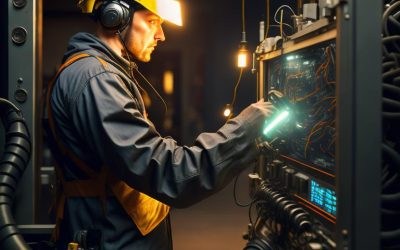
How Ai Is Revolutionizing The Manufacturing Industry
As an expert in the AI manufacturing industry, I am thrilled to share with you how artificial intelligence is revolutionizing the way we produce goods.
In recent years, technological advancements have paved the way for the integration of AI systems into manufacturing processes, resulting in significant improvements in efficiency and productivity.
AI technology is now used across all stages of production, from design to assembly to quality control.
By leveraging data analytics and machine learning algorithms, manufacturers can identify patterns and optimize their operations for better performance.
The result is a more streamlined process that reduces waste while increasing profits.
In this article, we will explore some of the ways in which AI is transforming the manufacturing industry and what it means for businesses looking to stay ahead of the curve.
The Role Of Ai In Manufacturing
AI powered automation has brought about a revolution in the manufacturing industry, leading to increased efficiency and accuracy. The use of advanced algorithms and machine learning techniques allows machines to operate with minimal human intervention, ensuring consistent quality as well as high output rates.
Moreover, real-time data analytics have enabled manufacturers to predict potential issues before they arise, allowing for proactive maintenance and preventing costly downtime. This technology also enables better decision making by providing insights into production processes that were previously unavailable.
With AI-powered automation and real-time data analytics at their disposal, manufacturers can optimize their operations and increase productivity like never before. As an expert in this field, I am excited to see how these technologies will continue to shape the future of manufacturing.
Ai-Driven Design And Prototyping
As the manufacturing industry continues to evolve with AI technology, one of the most significant advancements is in AI-driven design and prototyping.
The traditional approach to designing products has been time-consuming and costly, but machine learning algorithms have provided a solution that streamlines this process.
With AI-powered design tools like generative design software, manufacturers can input their specifications for a product, and the program will generate multiple designs based on those parameters.
This allows engineers to explore various options quickly, saving time and resources while also improving upon the quality of the final product.
Additionally, rapid prototyping technologies enable companies to create quick physical models of these designs, testing them before committing to mass production.
By utilizing these advanced techniques, manufacturers can bring new products to market faster than ever before.
Smart Assembly Line Management With Ai
As the manufacturing industry continues to evolve, the need for a smarter assembly line management becomes more apparent.
With AI technology, predictive analytics and real-time monitoring can be used to optimize assembly lines in ways that were previously unimaginable.
The use of predictive analytics allows manufacturers to predict when maintenance is required on machines before they break down. This reduces downtime and increases overall efficiency, resulting in increased productivity and profitability.
Real-time monitoring further improves the production process by tracking progress along the assembly line, allowing for quick adjustments if necessary.
The combination of these technologies creates a self-learning system that continuously adapts to improve performance over time.
Smart Assembly Line Management with AI has truly revolutionized the way factories operate, making them more efficient, cost-effective and sustainable.
Quality Control And Predictive Maintenance
Automated inspection is one of the most significant advancements in quality control made possible by AI. By using machine learning algorithms, manufacturers can detect defects and anomalies with incredible accuracy, reducing waste and increasing efficiency. The technology allows for more frequent inspections during production runs, which helps to identify issues earlier in the manufacturing process.
Another area where AI is revolutionizing the manufacturing industry is predictive maintenance. Through data analytics for maintenance scheduling, manufacturers can optimize their equipment usage while minimizing downtime due to unexpected breakdowns. This approach enables companies to reduce costs associated with repairs or replacements while also improving overall productivity levels.
By utilizing these technologies effectively, manufacturers can create a leaner operation that produces higher-quality products at lower costs than ever before.
As we continue to explore new ways to leverage AI in this field, it’s clear that there are still many untapped potential applications waiting to be discovered. As such, businesses must stay vigilant and adapt quickly as advancements in automation continue to change the face of modern manufacturing forevermore.
Supply Chain Optimization With Ai
Automating logistics with AI is a game changer for the manufacturing industry, allowing for more efficient and cost-effective delivery of goods.
AI-powered demand forecasting is also revolutionizing the industry, allowing companies to better anticipate and plan for customer needs.
Automating Logistics
Imagine a world where warehouses run themselves, with no human intervention required. That is the reality that robotic warehousing and autonomous material handling are bringing to the manufacturing industry.
As an AI manufacturing industry expert, I can confidently say that automating logistics is one of the biggest game-changers in supply chain optimization. With AI-powered systems managing inventory levels and tracking product movement, businesses can reduce errors and improve efficiency at every stage of their operations.
By integrating data from sensors and other sources, these systems can also make accurate predictions about demand patterns and adjust production levels accordingly.
The future of manufacturing is here, and it’s all thanks to automated logistics.
Ai-Powered Demand Forecasting
Nowadays, businesses need to have a clear understanding of consumer demand patterns in order to optimize their supply chains. This is where AI-powered demand forecasting and predictive inventory management come into play.
As an AI manufacturing industry expert, I can attest that these technologies allow companies to make accurate predictions about future demand while ensuring optimal inventory levels are maintained at all times.
By analyzing historical data and factoring in external variables such as weather patterns or seasonal trends, these systems enable manufacturers to streamline production processes and reduce waste.
With AI’s ability to learn from vast amounts of data, it’s no wonder why it has become the go-to solution for optimizing supply chain operations.
Improved Safety With Ai Technology
After optimizing the supply chain with AI, let’s explore how it has also transformed safety measures in manufacturing.
The integration of AI powered safety features and machine learning for accident prevention has significantly reduced workplace hazards.
Just like a GPS system guides a driver safely to their destination, AI technology is now guiding workers through hazardous areas while ensuring that they follow all necessary precautions.
Machine learning algorithms are analyzing data from sensors and cameras to identify potential accidents before they even occur.
This allows manufacturers to take proactive steps towards preventing dangerous situations rather than simply reacting after an incident has already happened.
With these advancements in safety technologies, employees can work more efficiently without worrying about any harm coming their way due to unforeseen events.
Ai-Enhanced Inventory Management
Real-time tracking and demand forecasting are two essential components of inventory management. With the help of AI, manufacturers can now optimize their supply chain by predicting product demand in real time. This means that businesses can ensure that they always have enough stock on hand to meet customer needs without overstocking or understocking.
AI-enhanced inventory management systems use machine learning algorithms to analyze sales trends, purchasing patterns, and other data points to identify potential issues before they become problems. By analyzing data from various sources, these systems provide accurate predictions regarding future demand. As a result, manufacturers can make informed decisions about production schedules, logistics planning, and more.
The ability to predict demand accurately not only helps reduce waste but also saves money on storage costs while improving order fulfillment rates for customers. By implementing AI-enabled technologies into manufacturing processes, companies can improve efficiency levels and increase productivity output. Real-time tracking and demand forecasting capabilities enable businesses to stay ahead of the curve by anticipating changes in consumer behavior and market trends.
Ultimately, this leads to better decision-making through actionable insights derived from advanced analytics tools. In short, AI is revolutionizing the way we manage inventories in manufacturing industries today!
Cost Reduction And Increased Efficiency
One of the most significant ways that AI is revolutionizing the manufacturing industry is through cost reduction and increased efficiency. By integrating robotics into production lines, manufacturers can automate tasks that were once performed by humans, resulting in faster and more accurate processes.
But it’s not just about replacing human labor with machines; many robots are designed to work alongside humans. These collaborative robots, or ‘cobots,’ can help workers complete their tasks quicker and with less physical strain. Additionally, these cobots have sensors that allow them to adapt to changes in their environment, ensuring they don’t cause any harm while working side-by-side with humans.
This combination of robotic integration and collaboration has resulted in energy savings for manufacturers as well as higher productivity levels. Incorporating AI into manufacturing also means using data analysis and predictive models to optimize operations further. With machine learning algorithms, companies can identify bottlenecks or inefficiencies in their process and make necessary adjustments before problems arise.
As a result, manufacturers can reduce downtime, prevent costly errors, and produce high-quality products consistently. The future of manufacturing lies at the intersection between advanced technology solutions like AI and traditional techniques. The potential benefits of this symbiotic relationship are enormous – from saving on costs to increasing efficiency across all aspects of production.
Companies that embrace AI now will undoubtedly reap rewards down the line as they stay ahead of competitors who haven’t yet embraced this exciting new trend.
Ai-Driven Decision Making
As we discussed earlier, cost reduction and increased efficiency are some of the major benefits that AI has brought to the manufacturing industry. However, these are only a fraction of what this technology can offer.
One area where AI is revolutionizing the manufacturing industry is in decision making. With real-time analytics and data-driven insights, manufacturers can make informed decisions that optimize their operations. This involves collecting vast amounts of data from various sources such as machines, sensors, and other devices on the factory floor.
By analyzing this information using machine learning algorithms, manufacturers gain valuable insights into their processes and operations. These insights help them identify areas for improvement and take corrective actions immediately, resulting in better product quality, increased productivity, reduced downtime, among other benefits. AI-driven decision-making also enables manufacturers to predict potential problems before they occur.
For instance, by monitoring how different machines operate under certain conditions over time, AI systems can detect patterns that indicate an imminent failure or breakdown. Manufacturers can then schedule maintenance activities proactively to avoid costly unplanned downtime. In summary, Real-time analytics and data-driven insights enable AI systems to support critical decisions across all levels of manufacturing operations from supply chain planning through production scheduling and execution down to individual process control.
As more firms adopt these technologies within their respective industries there will be continued innovation driven by new applications emerging every day!
Future Of Ai In Manufacturing
Looking ahead to the future of AI in manufacturing, there is no doubt that its impact will continue to be felt across a wide range of industries.
From improved efficiency and quality control through to more effective supply chain management, AI has already demonstrated its ability to transform the way we produce goods.
However, as with any technological advancement, there are also ethical considerations that must be taken into account.
One major concern is the potential impact on jobs within the industry.
While some roles may become automated or streamlined due to advances in AI technology, it’s important for manufacturers to consider how they can retrain or redeploy staff who may be affected by these changes.
By investing in employee development and reskilling initiatives, businesses can help ensure that their workforce remains skilled and employable well into the future.
Conclusion
As an AI manufacturing industry expert, I am excited to see the positive impact that artificial intelligence is having on this sector. It’s like a breath of fresh air in a stuffy room.
With its ability to transform design and prototyping, smart assembly line management, quality control, predictive maintenance, supply chain optimization, inventory management, cost reduction, increased efficiency, and decision-making processes – it has revolutionized manufacturing.
The future of AI in manufacturing is limitless. We are only scratching the surface of what can be achieved with this technology. The possibilities are endless!
As we continue to develop smarter machines and algorithms that can learn from data patterns and make predictions based on past experiences – there’s no doubt that we will witness remarkable breakthroughs in the years ahead. And with each new innovation comes greater efficiency and productivity for manufacturers worldwide.